


It enables organisations to evaluate their exposure to different types of risks, including credit, market, and operational risks, and take suitable measures to reduce them. This risk mitigation is crucial for ensuring the long-term sustainability of the organisation. With compliance tied to trust and operational continuity, businesses are increasingly https://worldenergy.com.vn/vendor-master-file-best-practices/ investing in compliance teams, risk management software, and training to remain aligned with legal and ethical obligations. Integration with existing enterprise resource planning (ERP) systems and financial tools is equally important. Seamless data flow ensures financial information remains consistent and up-to-date across platforms, avoiding discrepancies that could lead to compliance issues or misstatements.
Importance of Statutory Reporting
Not only does this kill the faith in the system but also wastes time in close and audit preparation. For instance, JGL Pharma, a global pharma firm, saved 50% of its market consolidation preparation time and put an end to version Outsource Invoicing mismatches by transitioning from Excel to an automated planning solution. By using Farseer, their entire statutory process was accelerated, simplified, and audit-ready.
- Additionally, an Appointed Actuary must submit a formal opinion on the adequacy of the company’s reserves.
- Organizations must comply with the reporting requirements applicable to their jurisdiction to ensure legal compliance and avoid potential penalties or legal consequences.
- We tailor our statutory reporting approach to your company’s most urgent priorities.
- Consistent reporting and regulation by automating the reporting process eliminates inconsistencies in the reporting workflow.
- By choosing the right tools, organisations can cut costs, improve accuracy, and comply with local laws.
Form STD.340 Audit Report – California

Custom workflows streamline reporting, minimize bottlenecks, and reduce the risk of non-compliance due to overlooked approvals or procedural errors. Statutory reporting is the act of reporting financial information to a government agency. Finally, search for software that includes built-in analytics tools so you can quickly spot trends in your filing history and better predict future requirements based on historical patterns. This enables financial teams to keep on top of evolving rules while lowering the chance of incurring costly audit due diligence mistakes or non-compliance penalties. The introduction gives a general overview of the significance and difficulty of statutory reporting, which is further discussed in the heading after that. For CFOs and other finance leaders, comprehending statutory reporting is a crucial step in ensuring compliance with international rules.

What is a Rebate? How Does it Work in Business?
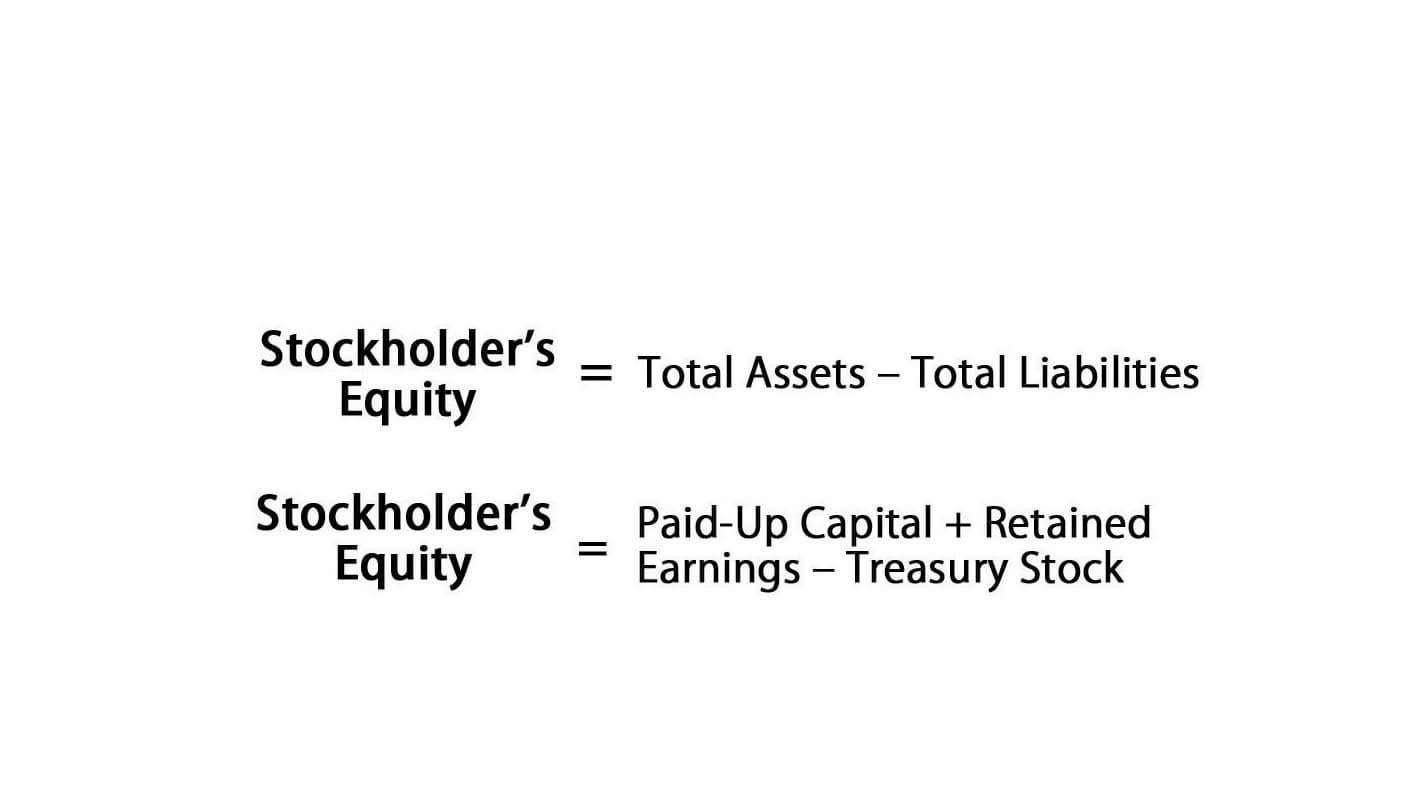
You can make sure your company stays in compliance with legal obligations while maximizing your financial operations by comprehending the subtleties of statutory reporting and putting into place practical solutions. Repeatedly evolving regulation and varying requirements in various jurisdictions merely multiply statutory reporting complexity. But most teams operate in silos with segregated templates and no singular audit trail. That’s why progressive firms are moving toward real-time reporting systems and keeping Excel as their compliance safety net.

These requirements are designed to ensure that organizations comply statutory and regulatory reporting with specific standards and guidelines in order to protect the public interest, promote safety, and maintain ethical practices. Regulatory requirements are typically more specific and detailed than statutory requirements, as they are tailored to address specific industries or sectors. By following these key steps, companies can effectively navigate the process of statutory reporting, ensuring accuracy, compliance, and transparency. This not only mitigates legal risks but also enhances stakeholder trust and confidence in the organization’s operations and ethical practices. When choosing regulatory reporting software, evaluate your organization’s specific needs, compliance requirements, automation features, data management capabilities, and scalability. Consider exploring trials and demos to test the software’s features and functionality.
- These reports are submitted to respective regulatory bodies in compliance with applicable rules and regulations.
- As more businesses come under the scanner for their operational procedures, regulatory reporting is becoming more crucial.
- However, the integration between Trintech’s Cadency solution and the Workiva platform uniquely addresses this to greatly increase the visibility and confidence in the financial close and reporting process.
- By following regulatory guidelines and submitting accurate and timely reports, businesses contribute to a transparent and fair marketplace.
- As a part of its combined offering, ADEPA provides state of the art to meet the regulatory and investors needs with regards to reporting and information.
- In the UK, statutory reporting requires businesses to submit detailed financial information.
These time-consuming processes for integrating data can create delays in reporting and impact decision-making. The regulatory framework for statutory audits consists of various laws, standards, and guidelines that govern how audits should be conducted. This framework ensures consistency, reliability, and accountability in the auditing process. We’ll ensure that all of your task management, workflow, and regulatory reporting needs are met every time. Although regulatory reporting comes with a myriad of benefits, it can have drawbacks as well. This can make it difficult to keep up with the necessary regulations and laws – especially in the financial world, where regulations are continually evolving.
Adhering to regulatory reporting obligations goes beyond simply fulfilling legal requirements. It demonstrates a commitment to corporate governance, risk management, and ethical business practices. Companies that prioritize regulatory reporting establish themselves as trustworthy and responsible entities, which can enhance their reputation and investor confidence. When organizations adhere to their industry regulations and provide accurate reports, they showcase their commitment to ethical practices and operational stability. As a result, proper regulatory compliance reporting helps build and maintain trust with both customers and investors.
 English
 Afrikaans
 Shqip
Shqip አማርኛ
አማርኛ العربية
 Հայերեն
 Azərbaycan dili
 Euskara
 Беларуская мова
 বাংলা
বাংলা Bosanski
 Български
 Català
 Cebuano
 Chichewa
 简体中文
简体中文 繁體中文
繁體中文 Corsu
Corsu Hrvatski
 Čeština
 Dansk
Dansk Nederlands
 Esperanto
 Eesti
Eesti Filipino
 Suomi
Suomi Français
 Frysk
Frysk Galego
 ქართული
 Deutsch
 Ελληνικά
 ગુજરાતી
 Kreyol ayisyen
 Harshen Hausa
 Ōlelo Hawaiʻi
 עִבְרִית
 हिन्दी
 Hmong
Hmong Magyar
 Íslenska
 Igbo
Igbo Bahasa Indonesia
 Gaelige
 Italiano
 日本語
日本語 Basa Jawa
 ಕನ್ನಡ
ಕನ್ನಡ Қазақ тілі
 ភាសាខ្មែរ
 한국어
한국어 كوردی
كوردی Кыргызча
 ພາສາລາວ
 Latin
Latin Latviešu valoda
 Lietuvių kalba
 Lëtzebuergesch
 Македонски јазик
 Malagasy
 Bahasa Melayu
 മലയാളം
 Maltese
 Te Reo Māori
 मराठी
मराठी Монгол
 ဗမာစာ
ဗမာစာ नेपाली
 Norsk bokmål
 پښتو
پښتو فارسی
فارسی Polski
 Português
 ਪੰਜਾਬੀ
 Română
 Русский
 Samoan
 Gàidhlig
 Српски језик
 Sesotho
 Shona
Shona سنڌي
سنڌي සිංහල
සිංහල Slovenčina
 Slovenščina
 Afsoomaali
 Español
 Basa Sunda
 Kiswahili
 Svenska
 Тоҷикӣ
 தமிழ்
தமிழ் తెలుగు
 ไทย
ไทย Türkçe
 Українська
 اردو
اردو O‘zbekcha
 Tiếng Việt
 Cymraeg
 isiXhosa
 יידיש
יידיש Yorùbá
 Zulu
Zulu